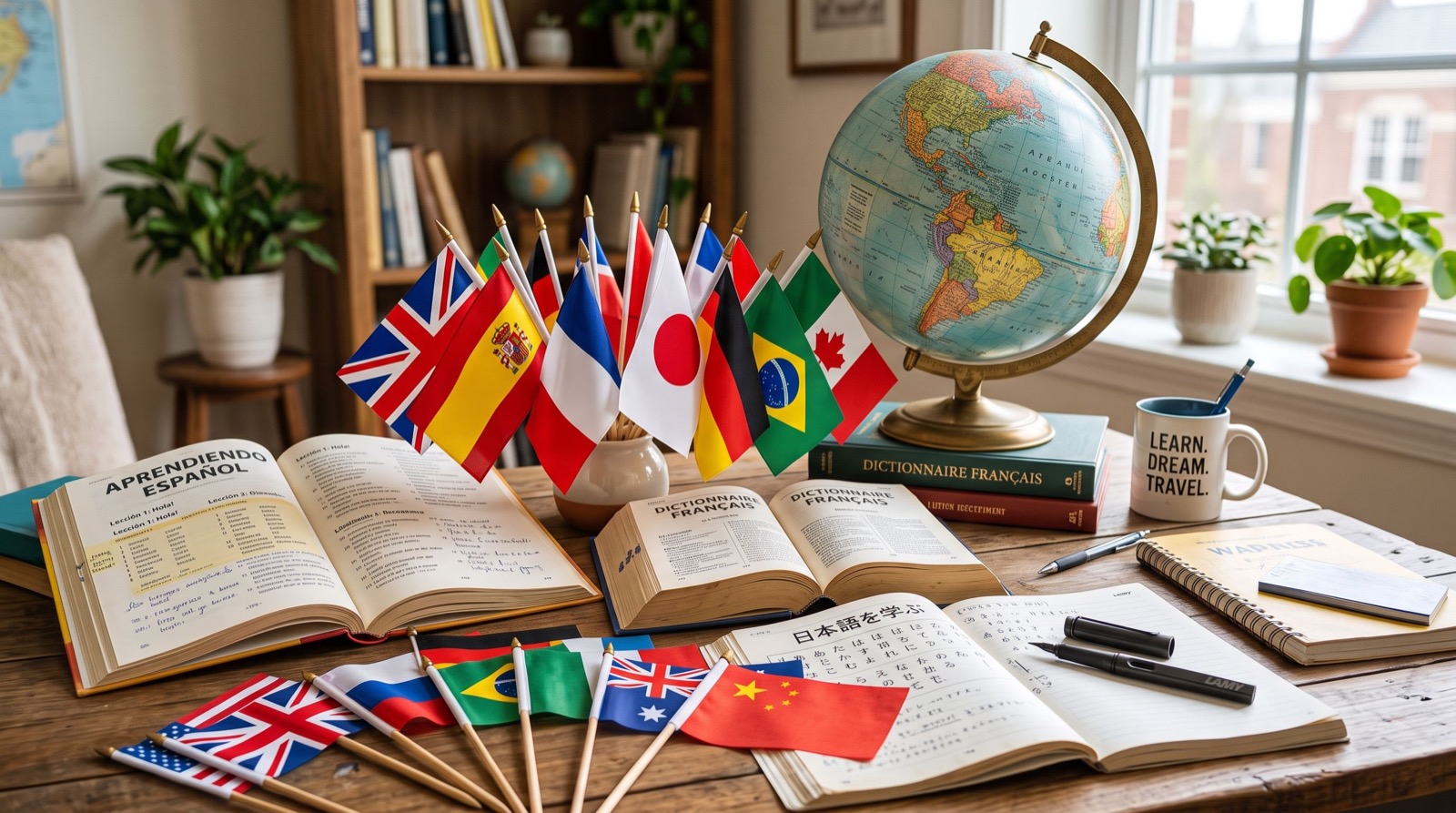

Speaking a second language opens doors to study abroad, better jobs, and richer travel, yet many learners in Pakistan feel stuck after years of classroom grammar drills. The problem is rarely effort; it is method. In 2026, the fastest path to fluency runs through structured online practice guided by the best tutors in Islamabad.
This guide explains exactly how to learn a language online without wasting months on apps that fizzle out. You will discover which methods actually build fluency, how to structure a weekly plan, and how to choose a tutor who keeps you accountable from your very first conversation.
Why the best tutors in Islamabad recommend online language learning
Language acquisition depends on frequent, meaningful practice, and online lessons make that practice effortless to schedule. Instead of one weekly class, you can slot short conversations into lunch breaks or evenings, hitting the repetition your brain craves.
Immersion also becomes possible from home. Tutors share authentic audio, news clips, and real conversations, surrounding you with the target language far more than a textbook ever could. Working with an experienced local team ensures your lessons stay consistent, structured, and tied to clear milestones.
Perhaps most importantly, live tutoring corrects mistakes instantly. Fossilised errors are hard to unlearn, so catching them early saves years of frustration. That is why so many learners now seek out the best tutors in Islamabad for guided speaking practice rather than relying on apps alone.
Which languages are most in demand in 2026?
Demand shifts with economic and academic trends, but a few languages consistently top the list for Pakistani learners this year.
- English — still essential for IELTS, university, and global careers.
- German — driven by study and work opportunities in Europe.
- Arabic — valued for religious study and Gulf employment.
- Chinese (Mandarin) — rising fast alongside CPEC-related business.
- French — popular for immigration and international relations.
A proven method to learn a language online
Random study rarely works. A structured cycle does. The most effective learners repeat a simple loop: input, practice, feedback, and review, week after week.
Live sessions supply the feedback layer that self-study tools cannot. When you learn languages online with a real tutor, every mistake becomes a coaching moment rather than a silent habit. That single difference explains why guided learners progress two to three times faster than app-only users.
The four-stage learning loop
- Input — absorb new vocabulary and grammar in context.
- Practice — speak and write using what you learned that day.
- Feedback — a tutor corrects pronunciation and structure live.
- Review — revisit past material through spaced repetition.
Run this loop consistently and fluency stops feeling mysterious. It becomes a predictable outcome of steady, well-directed effort.
Online language classes vs self-study apps
Apps are convenient and fun, but they rarely produce confident speakers on their own. The comparison below shows where each approach truly shines and where it falls short.
| Feature | Live online tutoring | Self-study app |
|---|---|---|
| Speaking practice | Real, two-way | Scripted only |
| Instant correction | Yes | Limited |
| Accountability | High | Low |
| Customised plan | Yes | Generic |
| Cost | Moderate | Low/free |
The smartest approach blends both. Use an app for daily vocabulary drills, then bring those words to life in live conversation with a tutor. According to the Council of Europe’s CEFR framework, communicative practice is central to moving from beginner to independent-user levels.
How long does it take to become conversational?
Timelines depend on the language, your starting point, and weekly hours. Still, realistic benchmarks help you stay motivated instead of quitting early.
With two to three tutored sessions plus daily self-study, most learners reach comfortable everyday conversation within six to nine months. Closely related languages move faster; more distant ones take longer. Consistency, not talent, is the deciding factor.
Simple habits that accelerate fluency
- Think in the target language during small daily moments.
- Label household objects with their foreign names.
- Watch one short clip with subtitles each evening.
- Keep a running list of new words from every lesson.
- Speak aloud even when alone, mimicking native rhythm.
These micro-habits stack quickly. In my experience guiding new learners, the ones who talk to themselves daily always outpace those who only study before class.
Choosing the right tutor for your target language
Not every tutor suits every learner. A grammar-focused teacher helps exam candidates, while a conversation-first coach suits travellers and professionals. Define your priority before booking, then ask candidates how they would approach it.
Accent and dialect matter too. If you need business German for a job in Berlin, choose a tutor familiar with that register rather than a generalist. A short trial lesson quickly reveals whether the teaching style clicks with how you learn best.
Staying motivated through the messy middle
Most learners quit not at the start but in the intermediate slump, where progress feels slow and errors persist. Planning for that dip keeps you in the game. Motivation is a system, not a mood.
Set small, visible milestones such as ordering food entirely in the target language or watching a short film without subtitles. Celebrate each one. A supportive tutor also keeps you accountable during this stretch, reminding you how far you have already come and keeping the next goal within reach.
Frequently Asked Questions
Can I really learn a language online without visiting a country?
Absolutely. Immersion is about exposure, not location. Live tutors, authentic media, and daily practice recreate an immersive environment from home, and thousands of Islamabad learners reach fluency this way every year.
How many sessions per week do I need?
Two to three live sessions, supported by short daily self-study, hit the sweet spot for most learners. Frequency beats duration, so several short sessions outperform one long weekly marathon.
Are online language tutors expensive?
Rates vary by language and tutor experience, but online delivery keeps costs lower than most physical language institutes. Group classes reduce the price further while still offering live speaking practice.
What if I feel too shy to speak?
That is normal, and good tutors expect it. They start with gentle, low-pressure exercises and build confidence gradually, so speaking soon feels natural rather than intimidating.
Final thoughts
Learning a language online in 2026 is faster, cheaper, and more flexible than ever, especially when guided by the best tutors in Islamabad. Choose a structured plan, practise daily, and let a live tutor correct you along the way. Fluency is not reserved for the gifted few; it belongs to anyone who shows up consistently. Book your first online language lesson today and start speaking with confidence.