
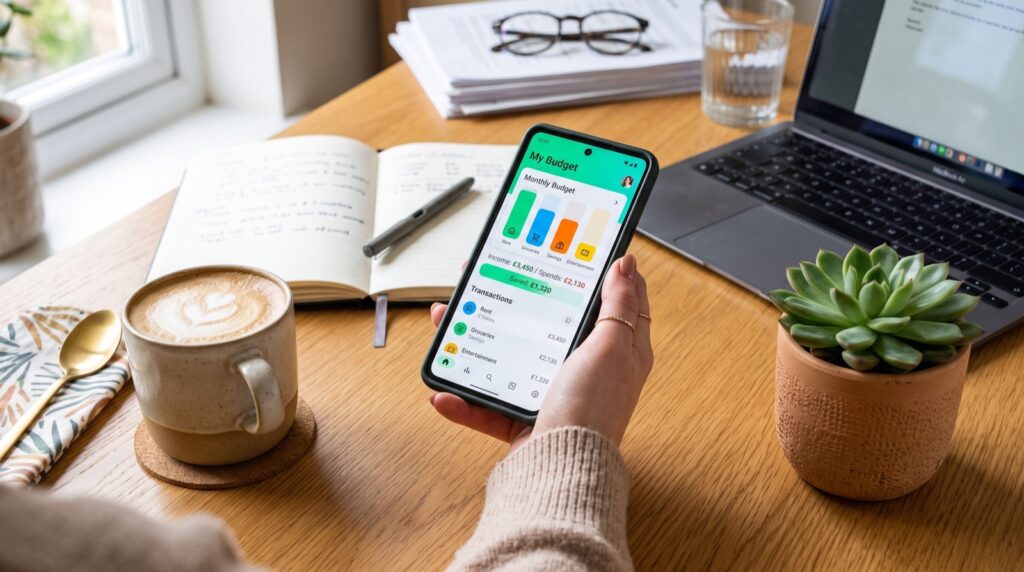
When it is time to actually move money, the choice between Zelle, Cash App, and PayPal can feel like splitting hairs, yet each one shines in a different situation. Picking the right money app for the job saves you fees, speeds up transfers, and keeps your cash better protected. This 2026 comparison of the top money apps shows exactly when to reach for Zelle, when Cash App wins, and where PayPal still earns its keep.
How the three money apps differ at a glance
All three let you send money from a phone, but their DNA is different. Zelle is a bank-to-bank rail, Cash App is a standalone wallet with investing features, and PayPal is an online-checkout heavyweight with buyer protection.
That heritage shapes how each behaves. Zelle moves money directly between US bank accounts, usually within minutes and with no in-app balance to manage.
Cash App and PayPal, by contrast, hold a balance you can spend, invest, or cash out. Understanding that split is the fastest way to know which tool fits your need.
Which money app is best for each situation?
There is no universal winner, only a best fit per task. The table below maps common scenarios to the app that handles them most smoothly.
| Situation | Best app | Why |
|---|---|---|
| Paying a trusted friend or family | Zelle | Fast, free, straight to their bank |
| Splitting bills with a group | Cash App or Venmo | Easy requests and social feed |
| Buying from an online stranger | PayPal (Goods & Services) | Purchase protection on eligible items |
| Investing spare cash | Cash App | Built-in stocks and Bitcoin |
| International transfers | PayPal | Wide global reach |
If Cash App keeps coming up for your day-to-day sending, this practical Cash App guide covers setup, limits, and the fee-avoiding tricks worth knowing before your first big transfer.
When should you use Zelle instead of Cash App?
Zelle is the quiet workhorse for people who trust the recipient completely. Because it links straight to your bank, there is no separate balance to cash out and no instant-transfer fee to dodge.
Reach for Zelle when you are paying rent to a landlord, reimbursing a family member, or settling up with a longtime friend. The money typically lands in minutes.
Just remember the trade-off: Zelle offers no purchase protection and payments are hard to reverse. Never use it to pay someone you do not know.
Key factors to weigh before you send
Speed is not the only thing that matters. Run through these considerations to match the app to the transfer:
- Trust level with the recipient, since some apps offer no recourse.
- Fees for credit-card funding or instant cash-outs.
- Protection if you are buying goods rather than paying a friend.
- Speed you actually need versus what you will pay for it.
- Where the money lives afterward, in a bank or an app balance.
A simple routine for choosing the right app
You can decide in seconds with a repeatable checklist. Walk through it whenever a payment comes up:
- Do I fully trust the person? If yes, Zelle is often simplest.
- Am I buying something from a stranger? Choose a platform with buyer protection.
- Do I want the money to sit in a spendable balance? Lean toward Cash App or PayPal.
- Is this an international payment? PayPal usually wins.
- Will any funding source trigger a fee? Switch to a bank or debit source first.
Keeping your transfers safe and insured
Whichever app you pick, the safety fundamentals stay the same. Money held in an app balance is not automatically federally insured, so do not treat any of these as a savings account.
The FDIC’s consumer guidance on payment apps explains that stored balances may lack deposit insurance unless swept into an insured bank, and recommends transferring larger amounts to a linked bank account promptly. Follow that advice and you keep the convenience without the exposure.
Comparing trustworthy money apps on their fees, protection, and insurance sweep programs helps you build a small toolkit rather than relying on a single app for everything. When money and services intersect, choose reputable service experts with verifiable reviews over unknown operators.
How transfer speed and limits compare
Beyond fees and protection, two practical details often decide which app you actually open: how fast the money moves and how much you can send. These vary more than people expect.
Zelle is usually the quickest for standard transfers, delivering funds between enrolled US bank accounts within minutes at no charge. That speed, with no instant-transfer fee, is its signature advantage.
Cash App and PayPal move money to a bank instantly only for a fee, while their free standard transfers take one to three business days. Sending limits also differ and typically rise once you verify your identity, so a new, unverified account will hit ceilings that a verified one clears easily.
The practical lesson is to verify your identity early on whichever app you plan to use most. Doing so raises your limits and smooths out large, time-sensitive payments before you actually need them.
Plan for the payment before it is urgent
Verify your account, link a bank as the default funding source, and confirm your sending limits during a calm moment. That preparation means a rent payment or a family emergency never gets stuck behind a verification screen at the worst possible time.
Frequently Asked Questions
Is Zelle safer than Cash App?
Each is safe when used correctly, but they suit different tasks. Zelle is ideal for paying people you trust because it moves money bank-to-bank quickly. Cash App adds a spendable balance and investing, which are handy features but require the same caution against scams.
Which money app has the lowest fees?
All three are free for standard person-to-person sends from a bank or balance. Fees appear with credit-card funding, instant transfers, and, for PayPal, some international or Goods and Services transactions. Match funding and speed to your need to minimize costs.
Can I use PayPal to safely buy from strangers?
Yes, when you select the Goods and Services option, which includes purchase protection on eligible items. Avoid the Friends and Family option for purchases, since it waives that protection.
Is money in these apps FDIC-insured?
Not automatically. A stored balance may lack federal deposit insurance unless the app sweeps funds into a partner bank. For larger amounts, move the money to your linked bank account.
Choosing the right money app with confidence
The best money app is the one that matches the moment: Zelle for trusted, instant bank transfers, Cash App for a flexible wallet with investing, and PayPal for protected purchases and global reach. Weigh trust, fees, protection, and speed before every send, keep large balances in an insured bank, and you turn three overlapping tools into one confident system. Map your usual payments to the right app this week and stop overpaying for the wrong one.